
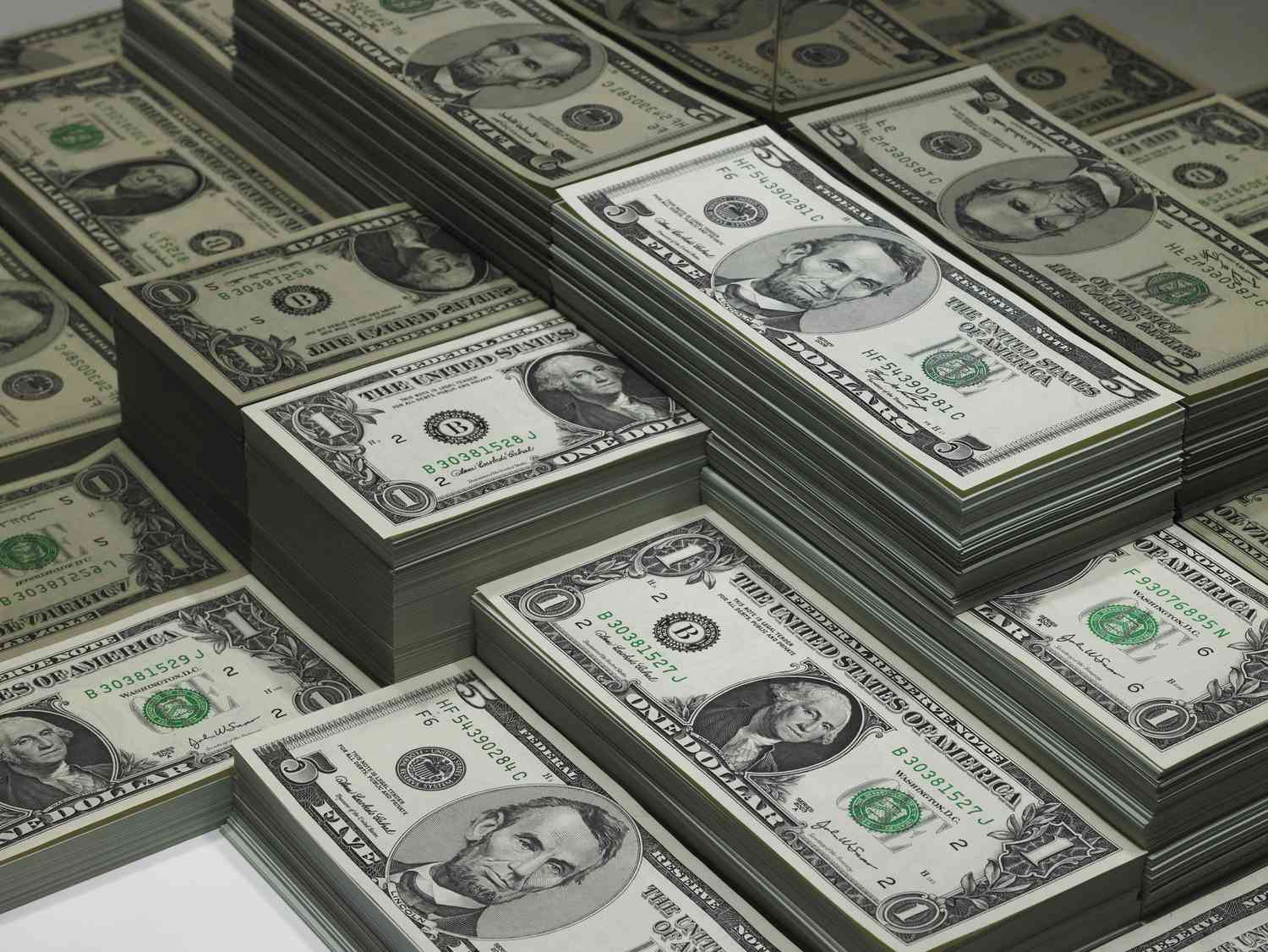
Currency trading in the Philippines represents a dynamic landscape influenced by historical trends and contemporary economic realities. This analysis delves into the evolution of currency trading within the country, emphasizing the predominant role of the US dollar. This examination considers the economic and political factors that contribute to the dollar’s supremacy, as well as its impact on the Philippine economy, highlighting both the advantages and challenges associated with this dominance. Furthermore, the discussion anticipates potential shifts in currency dominance and the implications these changes may hold for the future. This comprehensive exploration seeks to illuminate the complexities of currency trading in the Philippines.
Overview of Currency Trading in the Philippines
Currency trading in the Philippines has undergone considerable evolution over the years, mirroring shifts in economic policies, global market dynamics, and the growing significance of the foreign exchange market. The Philippine peso, as the national currency, plays a vital role in facilitating international trade and investment flows, with exchange rates being influenced by both domestic and international economic indicators. As financial institutions manage the complexities associated with market liquidity and monetary policy, the central bank’s role becomes essential in maintaining stability within the Philippine economy.
History and Current State of Currency Trading
The history of currency trading in the Philippines illustrates a complex interplay of economic reforms, trade agreements, and shifts in monetary policy that have significantly influenced current exchange rates and the forex landscape. This evolution has resulted in the Philippines transitioning from a predominantly insular economy to one that is heavily impacted by global markets, especially following the liberalisation of trade in the 1980s. Important reforms aimed at stabilising the economy have led to changes in the trade balance and facilitated increased remittances from overseas Filipino workers, thereby further affecting currency dynamics.
In the present day, as the nation adopts technology in its trading practices, the rise in trading volume underscores the growing sophistication of investors who navigate a marketplace characterised by volatility and opportunities. This historical context not only highlights the stability of the currency but also reflects broader economic aspirations within an increasingly interconnected global environment.
Why the US Dollar Dominates in the Philippines
The dominance of the US Dollar in the Philippines can be attributed to a range of economic and political factors that influence its role in currency trading and investment strategies. The prominence of the USD is not solely a matter of preference; it reflects the historical ties between the Philippines and the United States, as well as the current economic impact of remittances from Overseas Filipino Workers (OFWs) and the significance of the US economy within global markets. Additionally, the interplay of inflation rates, monetary policy, and the stability of the Philippine peso further elucidates the complexities inherent in this currency relationship.
Economic and Political Factors
Economic and political factors play crucial roles in reinforcing the dominance of the US Dollar in the Philippines, significantly shaping the landscape of currency trading and investment flows. The stability of foreign reserves, for example, directly influences market sentiment and the Philippines’ dependence on international trade, particularly with the United States as a pivotal partner. When trade deficits arise, they can exert pressure on the local currency, leading businesses and investors to prefer the dollar for transactions and savings.
Furthermore, the political climate impacts the effectiveness of economic policies designed to stimulate growth and establish bilateral trade agreements. A robust and stable political environment instils confidence in investors, promoting a preference for the dollar in financial markets and further solidifying its status as a safe haven during periods of uncertainty.
Impact of the US Dollar on the Philippine Economy
The influence of the US Dollar on the Philippine economy is complex, encompassing both advantages and challenges that affect monetary systems, trade policies, and overall economic stability. The strength of the US Dollar can bolster remittances, improve purchasing power, and attract foreign direct investment. However, it also introduces potential risks, such as inflationary pressures and trade deficits, which can impact the balance of payments.
A thorough understanding of these dynamics is essential for evaluating the long-term economic relationship between the Philippines and the United States.
Benefits and Challenges for the Country
The benefits and challenges presented by the influence of the US Dollar on the Philippine economy encompass a variety of economic indicators and financial stability metrics that policymakers must effectively navigate. This dynamic impact creates an environment where increased capital inflows can significantly enhance infrastructure development and stimulate local businesses. Additionally, stable remittance flows from overseas workers bolster household consumption and contribute to overall economic growth.
However, this strong reliance on the US Dollar also introduces challenges, including currency fluctuations that may undermine local purchasing power and economic stability. Such fluctuations can exacerbate inflation rates, placing significant pressure on everyday consumers. Therefore, a comprehensive understanding of market dynamics and the implementation of effective risk management strategies are essential for ensuring sustainable economic integration and resilience within the financial landscape.
Future Outlook and Potential Changes
The future outlook for the dominance of the US Dollar in the Philippines suggests potential changes influenced by economic reforms, shifting geopolitical factors, and evolving market trends that may modify the existing currency landscape. As the Philippines actively participates in trade negotiations and forges trade agreements with emerging markets, the dynamics of currency trading may experience a transformation that could affect the status of both the Philippine peso and the US Dollar in international financial markets.
Predictions and Possible Shifts in Currency Dominance
Predictions regarding potential shifts in currency dominance indicate that the supremacy of the US Dollar may face challenges from various factors, including evolving economic indicators and market trends that have the potential to reshape the currency trading landscape in the Philippines. As economic powers fluctuate and emerging markets gain prominence, the relationship between the dollar and other currencies, such as the Euro and the Yuan, is becoming increasingly intricate.
Analysts expect that national policies and global market dynamics will play critical roles in this evolution, highlighting the necessity for close monitoring of foreign exchange reserves, trade balances, and interest rate changes. The emergence of digital major currencies and their potential integration into financial regulations could redefine traditional currency dynamics, presenting both opportunities and risks in currency pairs trading. Consequently, investors will need to adapt their strategies in response to these developments, underscoring the importance of continuous market analysis to effectively navigate the changing landscape.