
Introduction
In a world where air quality is increasingly impacted by pollution, allergens, and airborne pathogens, maintaining a clean and healthy home environment has become more important than ever. One device that has risen in popularity for this very reason is the air purifier. While once considered a luxury item, air purifiers are now essential tools for enhancing indoor air quality and protecting the health of households worldwide.
But what exactly is an air purifier? How does it work, and why might you need one in your home or office? In this article, we break down everything you need to know about air purifiers—how they function, the types available, and the key benefits they offer in our modern, indoor-centric lifestyles.
What Is an Air Purifier?
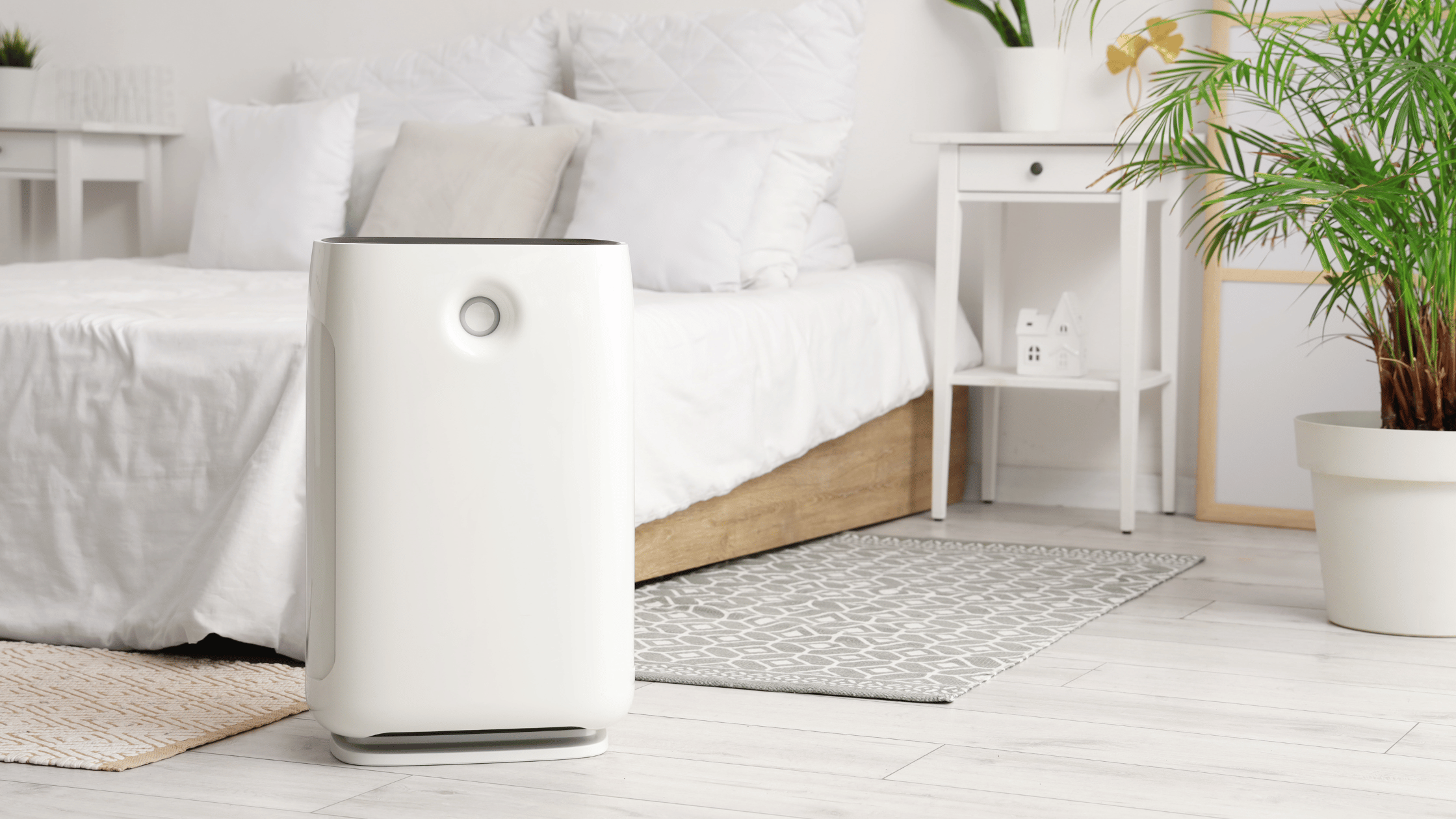
An air purifier is a device designed to remove contaminants from the air in a room to improve indoor air quality. These devices are equipped with various filters and technologies that target and eliminate pollutants such as dust, pollen, pet dander, mold spores, smoke, and even bacteria and viruses.
Common Components of an Air Purifier:
- Pre-filter: Captures larger particles like dust and hair.
- HEPA filter (High-Efficiency Particulate Air): Removes 99.97% of airborne particles as small as 0.3 microns.
- Activated carbon filter: Absorbs odors and gases like VOCs (volatile organic compounds).
- UV-C light: Destroys airborne germs, bacteria, and viruses.
- Ionizer: Releases negative ions that bond with pollutants, causing them to fall from the air.
Depending on the model, air purifiers may use one or a combination of these components to cleanse the air.
How Do Air Purifiers Work?
Air purifiers function by drawing air through their internal filters or mechanisms, capturing harmful particles and releasing purified air back into the environment. Here’s a simplified breakdown:
- Air intake: A fan pulls indoor air into the unit.
- Filtration: The air passes through one or more filters to trap various particles and gases.
- Air output: Clean air is released back into the room, significantly reducing airborne contaminants.
Some high-tech air purifiers also include smart sensors that detect air quality in real-time and adjust their cleaning power accordingly.
Why You Might Need an Air Purifier
1. Allergy and Asthma Relief
If you suffer from seasonal allergies, asthma, or other respiratory conditions, air purifiers can be life-changing. By removing allergens like pollen, dust mites, and mold spores, these devices help reduce symptoms and improve overall breathing comfort.
2. Pet Owners
Pets bring joy, but also shed fur and dander that can trigger allergic reactions. An air purifier with a HEPA filter can help minimize these airborne particles, keeping your home fresher and more breathable.
3. Urban and High-Pollution Areas
Living in a city or near an industrial area exposes you to higher levels of pollutants such as vehicle emissions and airborne chemicals. Air purifiers can reduce your exposure to these harmful substances indoors.
4. Smoke and Odor Control
Whether from tobacco, wildfires, or cooking, smoke and odors can linger in indoor spaces. Activated carbon filters in air purifiers absorb these unwanted smells and volatile gases effectively.
5. Improved Sleep Quality
Poor air quality can affect sleep by causing nasal congestion, irritation, or breathing discomfort. Clean air promotes deeper, more restful sleep—especially for children and older adults.
6. Germ and Virus Reduction
Some air purifiers equipped with UV-C lights or advanced filtration systems can help eliminate bacteria and airborne viruses. While not a cure-all, they add a layer of protection during flu season or pandemics.
7. General Wellness and Peace of Mind
Even if you don’t have specific health concerns, knowing that the air in your home is clean contributes to overall wellbeing. It creates a fresher, more pleasant indoor atmosphere.
Types of Air Purifiers
– HEPA Air Purifiers
Most recommended for allergen and dust removal. Look for “True HEPA” to ensure quality standards.
– Activated Carbon Purifiers
Best for removing odors, gases, and VOCs. Often combined with HEPA filters.
– UV-C Light Purifiers
Effective at neutralizing airborne pathogens, especially in healthcare or high-risk environments.
– Ionic Air Purifiers
Release negative ions to bond with particles. Effective, but some models may produce ozone, which can be harmful.
– Hybrid or Multi-Stage Purifiers
Combine multiple filtration technologies for comprehensive air cleaning.
Things to Consider Before Buying an Air Purifier
- Room size compatibility: Choose a model that can handle the square footage of your space.
- Filter replacement costs: HEPA and carbon filters need regular replacement.
- Noise levels: Some models are quieter than others, especially at night.
- Energy efficiency: Look for ENERGY STAR-certified units.
- Smart features: App control, air quality sensors, and timers can enhance usability.
Maintenance Tips
To keep your air purifier functioning at peak performance:
- Replace filters as recommended by the manufacturer.
- Clean pre-filters regularly if washable.
- Keep the unit away from walls to allow proper airflow.
- Don’t block air intake or output vents.
Conclusion
Air purifiers are more than just modern appliances—they’re essential tools for creating a healthier indoor environment. From reducing allergens and smoke to neutralizing bacteria and unpleasant odors, these devices offer a wide range of benefits for households, offices, and public spaces.
If you live in a densely populated city, suffer from allergies, or simply want to breathe cleaner air, investing in an air purifier could significantly improve your quality of life. With so many models tailored to different needs, there’s an option for everyone.
In a world where clean air is becoming a luxury, an air purifier brings that luxury home.